
Complete Local SEO Guide for Small Businesses
15 proven strategies to dominate local search results and attract more customers in 2025
Running a small business means wearing many hats. You're the CEO, accountant, marketer, and customer service rep all rolled into one When someone tells you to "optimize for local search," it might feel like just another task on an endless to-do list but this local SEO Guide will help you to make your work easier and smooth than never before.
Here's the reality: while you're busy running your business, your potential customers are searching for exactly what you offer, Right now On their phones And if your business doesn't show up when they search, they'll find your competitor instead.
Why This Guide Exists
What You'll Learn
Understanding Local SEO (Without the Jargon)
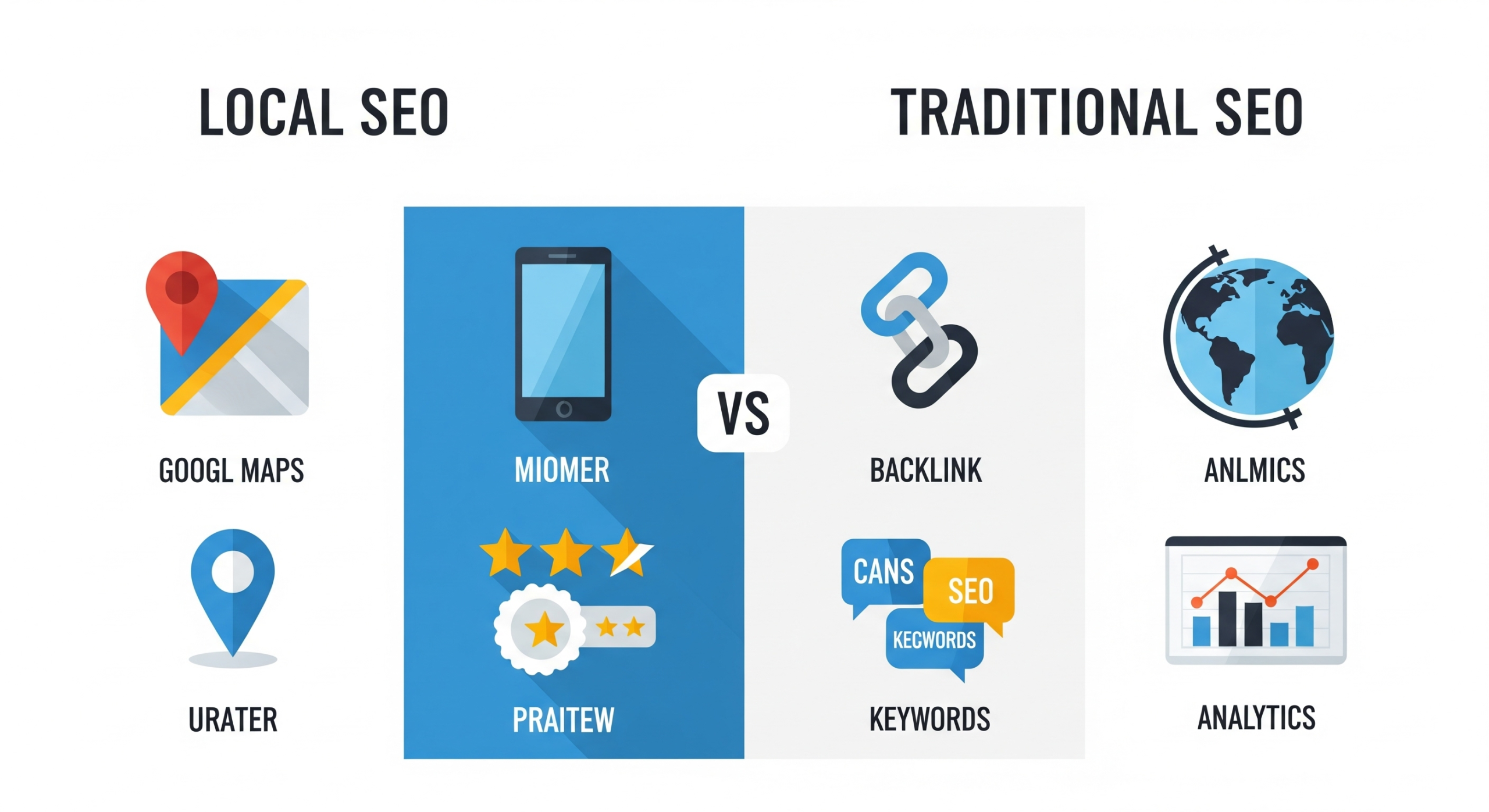
Local SEO is simply making sure your business shows up when people in your area search for what you offer. It's different from regular SEO because it focuses on geography, not just keywords.
The Three Pillars of Local Search Success
Proximity
Google wants to show businesses close to the searcher. You can't change your location, but you can optimize for the areas you serve.
Relevance
Your business information must clearly match what people are searching for. If you're a plumber, Google needs to understand that from your website and listings.
Prominence
This is Google's way of measuring how well-known and trusted your business is. Think reviews, mentions, and links from other websites.
Real Talk: Why Most Local SEO Advice Falls Short
Most guides give you a checklist without explaining why each step matters. They tell you to "optimize your Google My Business" but don't explain that 46% of all Google searches have local intent. When you understand the 'why,' the 'how' becomes much clearer.
Local SEO Ranking Factors That Actually Move the Needle
Forget the "200+ ranking factors" overwhelm. Based on real data from local businesses I've worked with, here are the factors that create measurable results:
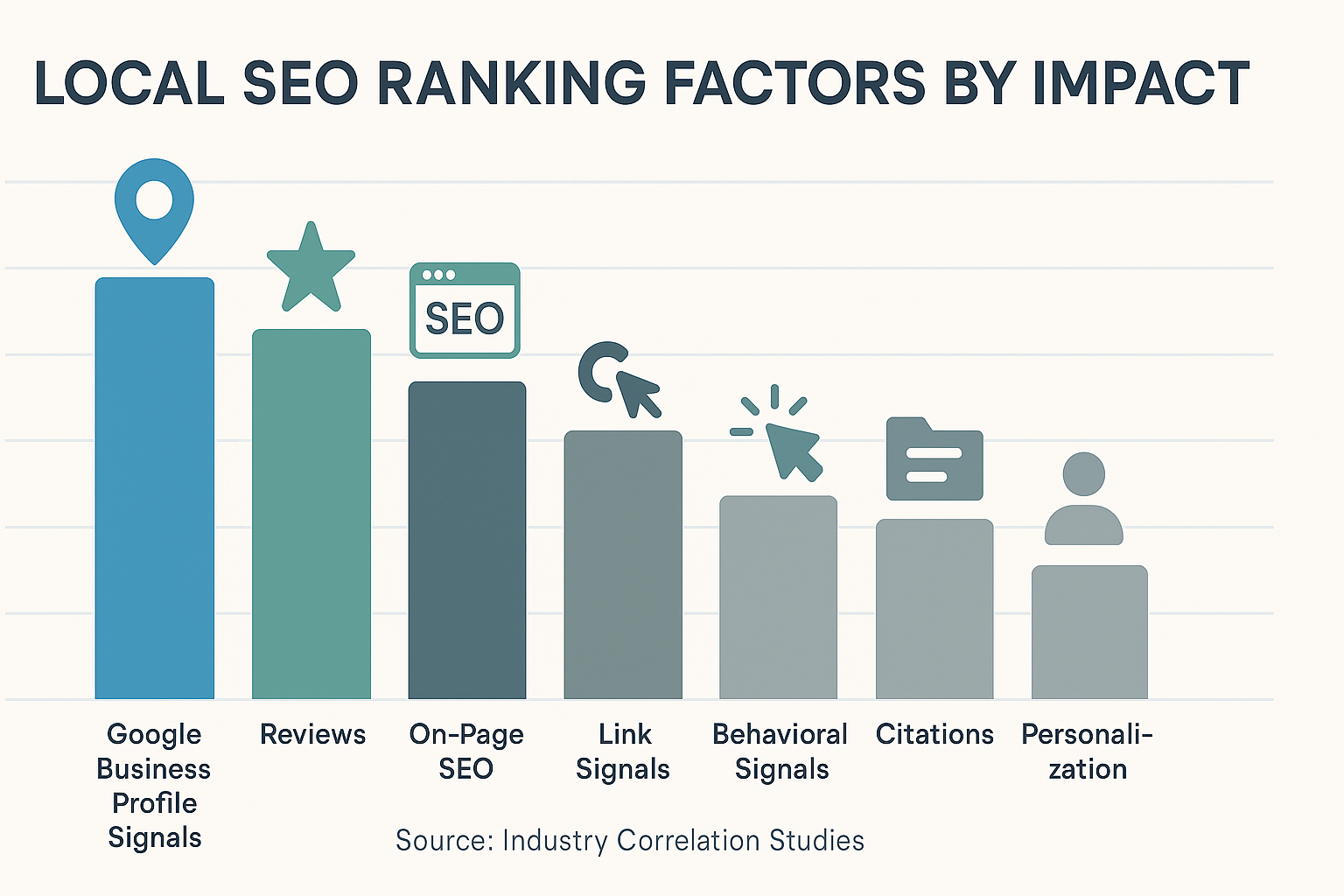
High-Impact Factors (Focus Here First)
| Ranking Factor | Impact Level | Time to Results | Difficulty |
|---|---|---|---|
| Google Business Profile completeness | High | 1-2 weeks | Easy |
| Consistent NAP across web | High | 2-4 weeks | Medium |
| Customer review quantity & quality | Very High | Ongoing | Medium |
| Local content on website | High | 4-8 weeks | Medium |
| Local backlinks | Very High | 8-12 weeks | Hard |
Google Business Profile: Your Digital Storefront
Your Google Business Profile (formerly Google My Business) is often the first impression potential customers have of your business. Getting this right isn't optional,it's essential.
The Complete GBP Optimization Checklist
Business Information
- Business name matches exactly across all platforms
- Complete address with proper formatting
- Local phone number (not toll-free)
- Website URL that actually works
- Accurate business hours (including holidays)
- Primary and secondary categories that fit your business
Content & Media
- Professional profile photo (logo or storefront)
- Cover photo showing your business in action
- At least 10 high-quality photos of products/services
- Interior and exterior photos of your location
- Team photos (builds trust)
- Business description with natural keyword usage
Pro Tip: The Photo Strategy That Works
Businesses with photos get 42% more requests for driving directions and 35% more click-throughs to their website. But here's what most don't know: Google favors recent photos. Upload 1-2 new photos weekly to stay fresh in the algorithm.
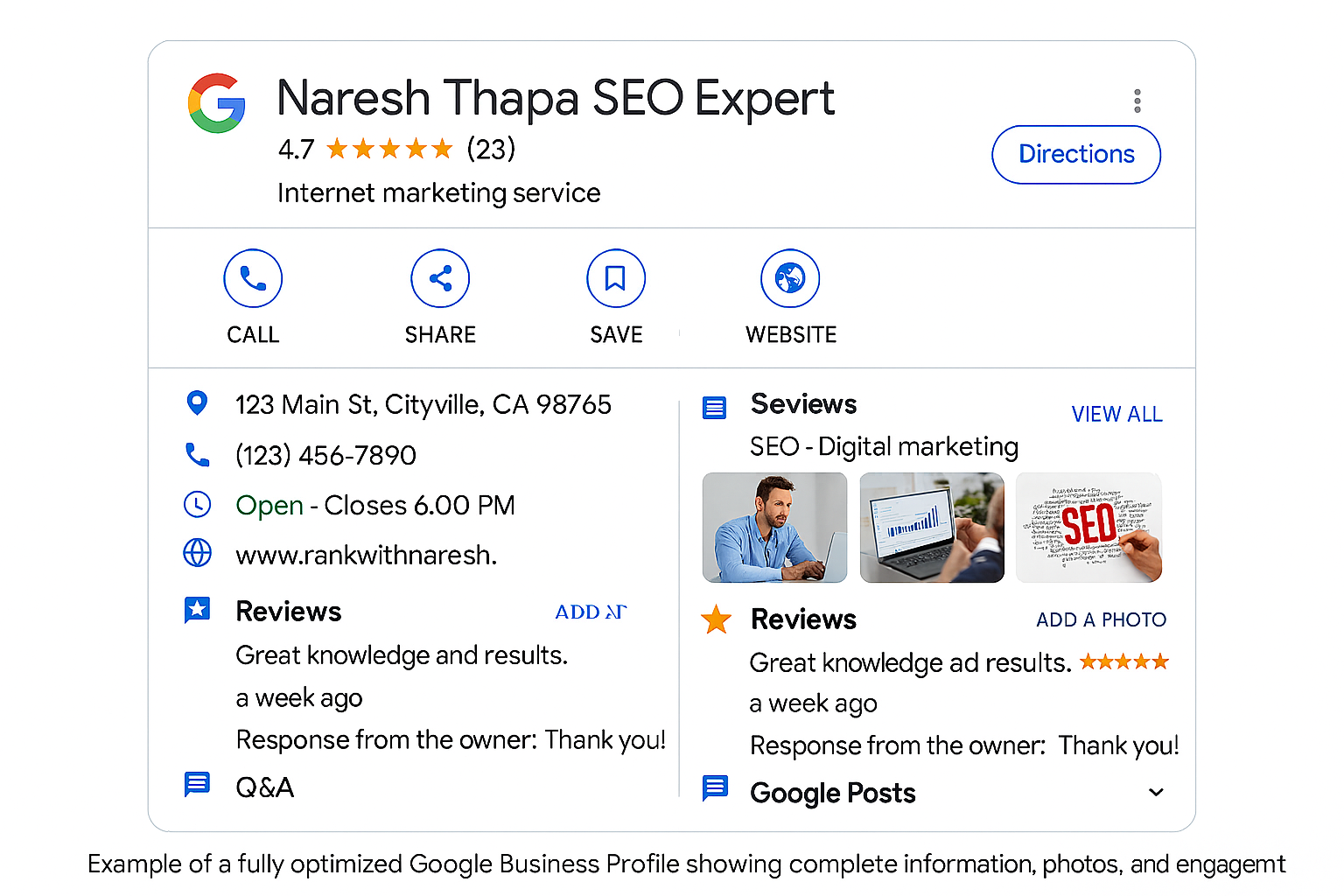
Example of a fully optimized Google Business Profile showing complete information, photos, and customer engagement
Local Website Optimization That Converts Visitors
Your website isn't just about rankings,it's about turning visitors into customers. Here's how to optimize for both search engines and real people.
Technical Foundation
Mobile-First Design
76% of local searches happen on mobile devices. Your site needs to load fast and look great on small screens. Use Google's Mobile-Friendly Test to check your current site.
Page Speed Optimization
Local searchers are impatient. If your site takes more than 3 seconds to load, 40% of visitors will leave. Compress images, enable caching, and minimize code.
Local Schema Markup
This code helps Google understand your business information. It's technical but worth the investment,businesses with proper schema see 30% better local visibility.
Content Strategy for Local Business
The NAP Consistency Rule
Your business Name, Address, and Phone number must be identical everywhere online. Not similar—identical. Even small differences confuse Google and hurt your rankings.
Common NAP Mistakes That Kill Rankings
- Using "Street" on one site and "St." on another
- Including suite numbers inconsistently
- Different phone number formats (with/without dashes)
- Abbreviating business name differently across platforms
Location Pages That Actually Work
If you serve multiple areas, create dedicated pages for each location. But avoid thin content,each page needs substantial, unique information about that specific area.
Location Page Must-Haves
- Unique title tag with city name
- Local phone number and address
- Directions and parking information
- Local landmarks and neighborhood details
- Customer testimonials from that area
- Photos specific to that location
Local Content That Connects
Creating content for local SEO isn't about stuffing keywords. It's about becoming a valuable resource for your community.
The Community-First Content Approach
Case Study: How a Local HVAC Company Tripled Their Leads
Instead of generic "HVAC tips" content, they started writing about specific challenges in their city:
- "Why Phoenix Air Conditioners Need Different Maintenance"
- "Preparing Your Scottsdale Home for Monsoon Season"
- "Energy Efficiency Tips for Older Mesa Homes"
Content Ideas That Work for Any Local Business
Local Event Coverage
Cover community events, sponsor local activities, and write about what's happening in your area. This builds local relevance and often earns natural backlinks.
Neighborhood Guides
Create guides to the areas you serve. "Best Family Activities in Downtown Springfield" positions you as a local expert while targeting location-based searches.
Local Problem-Solving Content
Address challenges specific to your area. Climate, regulations, local trends,what unique problems do people in your city face?
Reviews: Your Most Powerful Ranking Factor
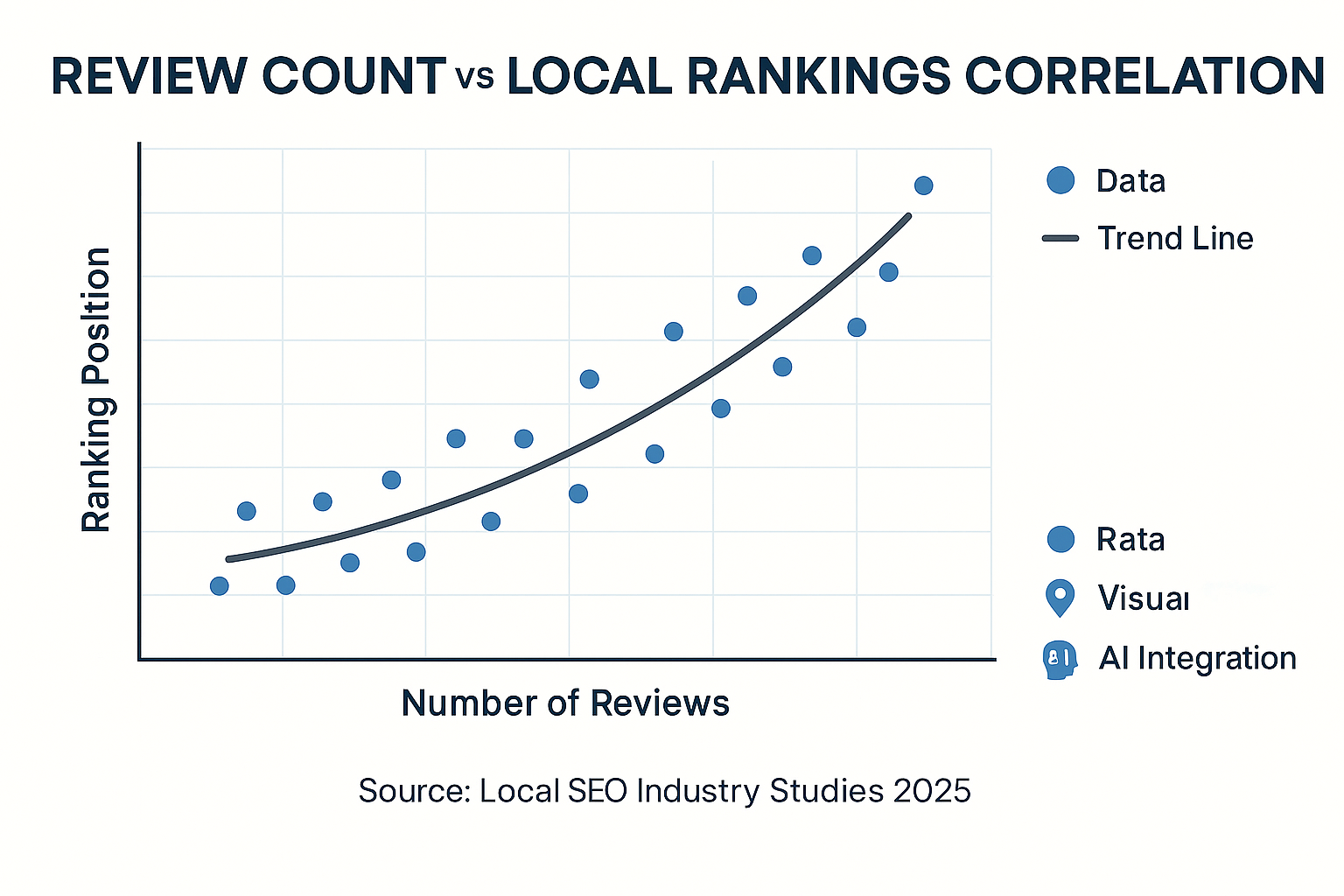
Reviews aren't just nice to have,they're a direct ranking factor. Businesses with more positive reviews rank higher in local search results.
The Strategic Approach to Review Generation
The 5-Star Myth
Counterintuitively, a perfect 5-star average can hurt you. Consumers are suspicious of businesses with only perfect reviews. The sweet spot is 4.2-4.5 stars with a good volume of reviews.
Review Generation System
Timing is Everything
Ask for reviews when customers are happiest,right after a successful service or positive interaction. Set up automated follow-up emails 24-48 hours after service completion.
Make It Easy
Send direct links to your review platforms. Don't make customers hunt for your business profile. Create QR codes for in-person requests.
Respond to Everything
Response rate affects rankings. Thank positive reviewers and address negative feedback professionally. Your responses are often read more than the original reviews.
Handling Negative Reviews
The HEART Method for Negative Review Responses
Halt - Don't respond immediately when angry
Empathize - Acknowledge their experience
Apologize - Even if you disagree, apologize for their poor experience
Respond - Offer a solution publicly
Take it offline - Provide contact information for further discussion
Advanced Local SEO Strategies
Schema Markup for Local Businesses
Schema markup is code that helps search engines understand your business information better. While technical, it's one of the most underutilized ranking factors.
Essential Schema Types for Local Businesses
- LocalBusiness - Your basic business information
- Review - Individual customer reviews
- FAQPage - Common questions and answers
- Service - Specific services you offer
- OpeningHours - Your business hours
Voice Search Optimization
20% of mobile searches are now voice searches, and they're inherently local. "Hey Google, find a pizza place near me" is different from typing "pizza restaurant."
Conversational Keywords
Voice searches are longer and more conversational. Instead of "dentist Chicago," people say "Where's the best dentist near me?" Optimize for natural language patterns.
Featured Snippet Optimization
Voice assistants often read featured snippets as answers. Structure your content to answer specific questions clearly and concisely.
Multi-Location SEO Strategy
If you have multiple locations, each needs its own optimization strategy. Don't duplicate content across location pages,Google will penalize you.
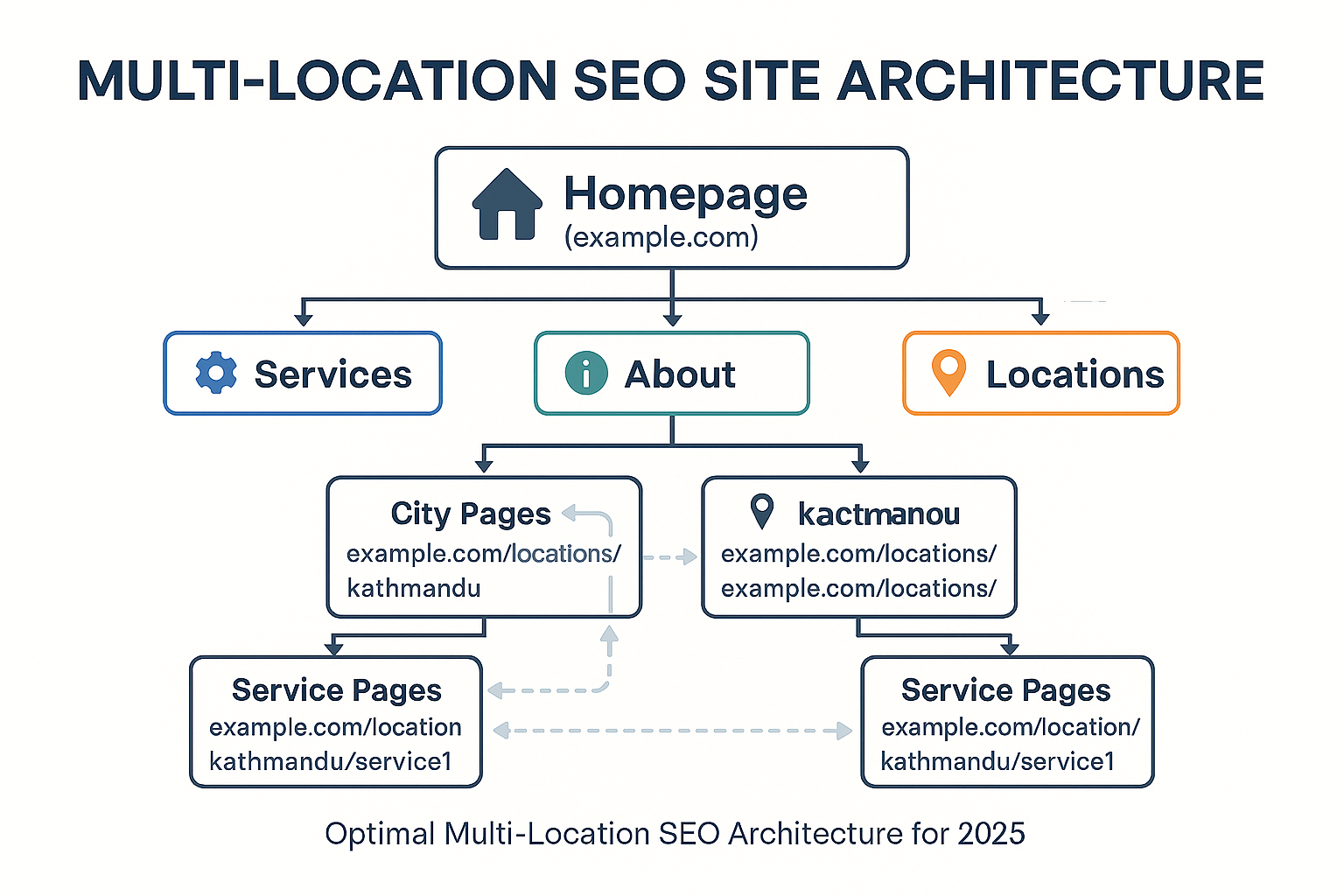
Optimal Multi-Location SEO Architecture for 2025
Multi-Location Mistakes to Avoid
- Using the same content across location pages
- Creating locations for areas you don't physically serve
- Neglecting to create separate Google Business Profiles for each location
- Using generic stock photos instead of location-specific images
Industry-Specific Local SEO Strategies
Different industries have unique local SEO challenges and opportunities. Here's what works for the most common local business types:
Restaurants & Food Service
Menu Optimization
Include your menu on your website with proper markup. Google can display menu items in search results, giving you more SERP real estate.
Local Food Keywords
Target cuisine + location combinations: "Italian restaurant downtown Denver" or "best tacos in Austin." Don't forget dietary restrictions: "vegan options" or "gluten-free menu."
Healthcare & Medical Practices
HIPAA-Compliant Review Strategy
You can't ask specific patients for reviews due to privacy laws, but you can create systems for satisfied patients to leave feedback voluntarily.
Symptom-Based Content
Create content around local health concerns. "Allergy season in Phoenix" or "Winter wellness tips for Chicago residents" positions you as a local health expert.
Legal Services
Local Legal Issues
Write about legal issues specific to your state or city. Local regulations, common legal problems in your area, and changes to local laws.
Practice Area Pages
Create location-specific pages for each practice area: "DUI Attorney in Miami" or "Personal Injury Lawyer serving Atlanta."
Home Services
Service Area Optimization
Clearly define your service areas on your website. Create content for each area you serve, focusing on local challenges and solutions.
Before/After Content
Visual content works exceptionally well for home services. Document your work with before/after photos and case studies from local projects.
Local SEO Tools That Actually Matter
You don't need expensive tools to succeed at local SEO, but the right ones can save you hours of work. Here's what I recommend based on budget and business size:
Free Tools (Start Here)
| Tool | Best For | Key Features |
|---|---|---|
| Google My Business | Profile management | Insights, messaging, posts, reviews |
| Google Search Console | Local performance tracking | Local query data, click-through rates |
| Google Analytics 4 | Local traffic analysis | Geographic data, conversion tracking |
| Google Keyword Planner | Local keyword research | Search volume for specific locations |
Premium Tools Worth the Investment
BrightLocal ($29/month)
Best all-in-one local SEO platform. Citation tracking, rank monitoring, and review management in one place. Perfect for agencies or businesses with multiple locations.
SEMrush ($119/month)
Powerful for competitive analysis and keyword research. The local SEO toolkit helps identify opportunities your competitors are missing.
Moz Local ($129/year)
Simplifies citation management across major directories. Great for businesses that want to "set it and forget it" for basic listing management.
Real Success Stories
Theory is nice, but results matter. Here are three businesses that transformed their local presence using these strategies:
Case Study #1: Family Dental Practice
Challenge: New practice competing against established competitors in a saturated market.
Strategy:
- Created neighborhood-specific content about oral health
- Implemented systematic review collection process
- Optimized for voice search queries about dental emergencies
- Built relationships with local businesses for referrals
Timeline: 4 months to see significant results, 8 months to dominate local search.
Case Study #2: Local Plumbing Company
Challenge: Seasonal business fluctuations and heavy competition from franchise companies.
Strategy:
- Created emergency plumbing landing pages for each service area
- Optimized for mobile-first and voice search
- Developed content around local building codes and regulations
- Implemented schema markup for 24/7 emergency services
Case Study #3: Boutique Law Firm
Challenge: Competing against large firms with bigger marketing budgets in personal injury law.
Strategy:
- Focused on hyperlocal content about accidents and safety in their city
- Built relationships with local news outlets for expert commentary
- Created detailed guides about local legal processes
- Optimized for "lawyer near me" and specific legal service searches
Your 90-Day Local SEO Action Plan
Information without action is worthless. Here's exactly what to do in your first 90 days, broken down into manageable weekly tasks:
Days 1-30: Foundation Building
Week 1: Audit Your Current Situation
- Google your business name + city - what shows up?
- Check your Google Business Profile for completeness
- Search for your main keywords + your city
- Note who's ranking in the top 3 local results
Week 2: Optimize Google Business Profile
- Complete every field in your profile
- Add 10+ high-quality photos
- Choose accurate primary and secondary categories
- Write a compelling business description
Week 3-4: Website Optimization
- Ensure NAP consistency across your site
- Add location-specific content to key pages
- Test mobile-friendliness and page speed
- Create or update your contact page with local details
Days 31-60: Content and Citations
Week 5-6: Citation Building
- Submit to top 10 general business directories
- Find and submit to 5 industry-specific directories
- Ensure NAP consistency across all listings
- Set up monitoring for new citation opportunities
Week 7-8: Content Creation
- Write 4 location-specific blog posts
- Create or update service area pages
- Add FAQ section addressing local concerns
- Optimize title tags and meta descriptions for local keywords
Days 61-90: Reviews and Advanced Strategies
Week 9-10: Review Generation
- Set up automated review request system
- Create QR codes linking to review platforms
- Train staff on asking for reviews
- Respond to all existing reviews professionally
Week 11-12: Link Building and Monitoring
- Reach out to 5 local businesses for partnership opportunities
- Submit press releases to local news outlets
- Set up Google Analytics and Search Console tracking
- Create monthly reporting dashboard
The Reality Check
This plan requires 3-5 hours per week of dedicated work. If you can't commit to that, consider hiring a local SEO professional. Half-hearted efforts produce half-hearted results.
Costly Mistakes That Tank Local Rankings
After fixing hundreds of broken local SEO campaigns, these are the mistakes I see most often:
Mistake #1: Keyword Stuffing Location Names
Don't name your business "Best Pizza Downtown Chicago Near Me Restaurant." Google isn't fooled, and customers find it off-putting. Use your actual business name.
Mistake #2: Fake Reviews
Google's getting better at detecting fake reviews. Getting caught can result in suspension or permanent removal from local search results. Never worth the risk.
Mistake #3: Inconsistent Business Information
Having "Main St." on your website but "Main Street" on your Google Business Profile confuses search engines. Pick one format and use it everywhere.
Mistake #4: Ignoring Negative Reviews
Not responding to negative reviews signals poor customer service to both Google and potential customers. Always respond professionally and promptly.
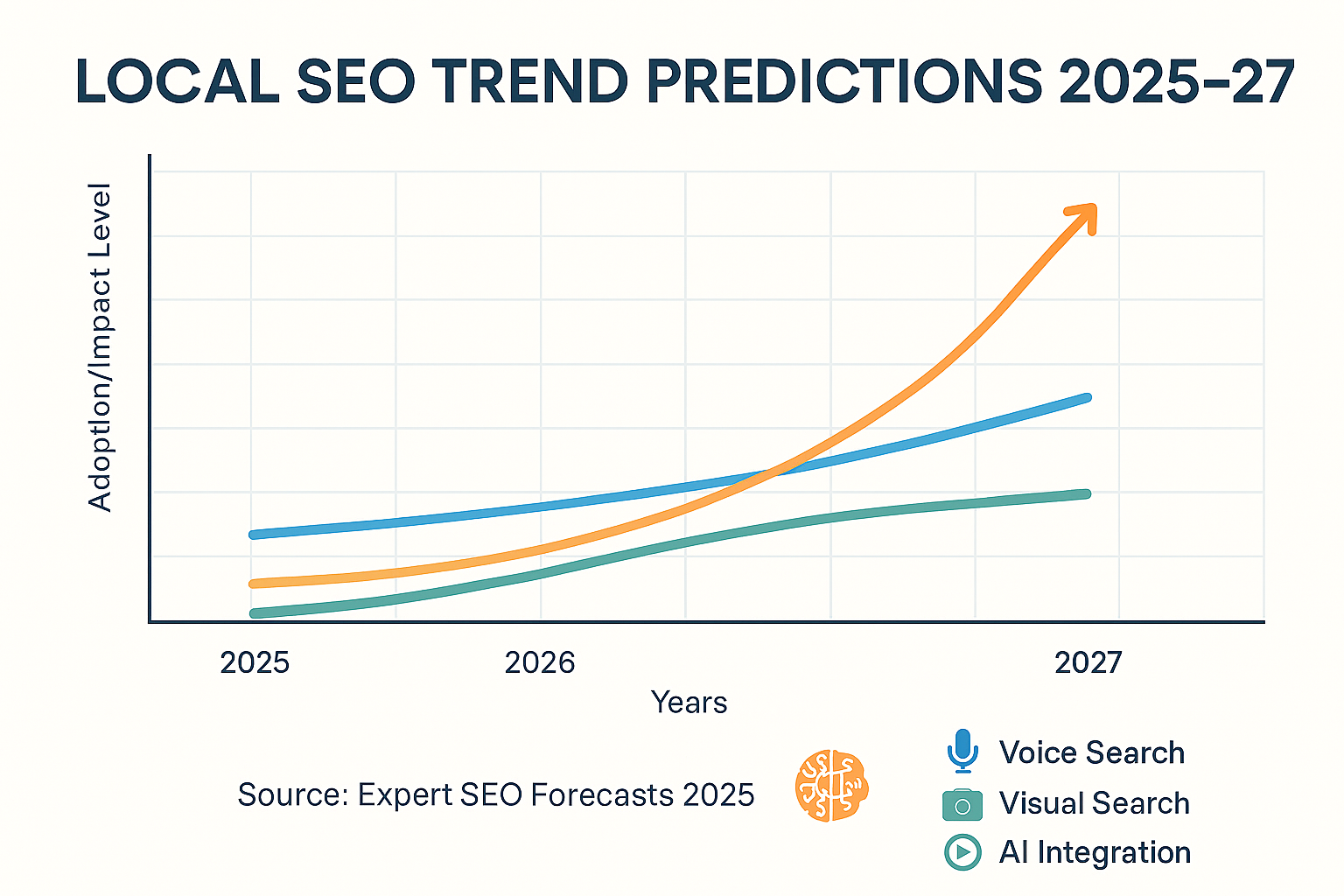
What's Coming Next in Local Search
Local SEO continues to evolve. Here's what smart business owners are preparing for:
AI and Machine Learning
Google's using AI to better understand search intent and business relevance. This means authentic, helpful content becomes even more important than keyword optimization.
Visual Search
People are increasingly using their cameras to search. Optimize your photos with descriptive alt text and ensure your storefront is easily recognizable.
Augmented Reality
AR features in Google Maps are helping people find businesses in the real world. Accurate business information and clear signage become crucial.
Ready to Dominate Local Search?
You have the knowledge. Now it's time to take action. Your competitors won't wait.
Download Complete Checklist Get Free Local SEO Audit